
Diabetes Is One of the Oldest Documented Conditions in Ayurveda
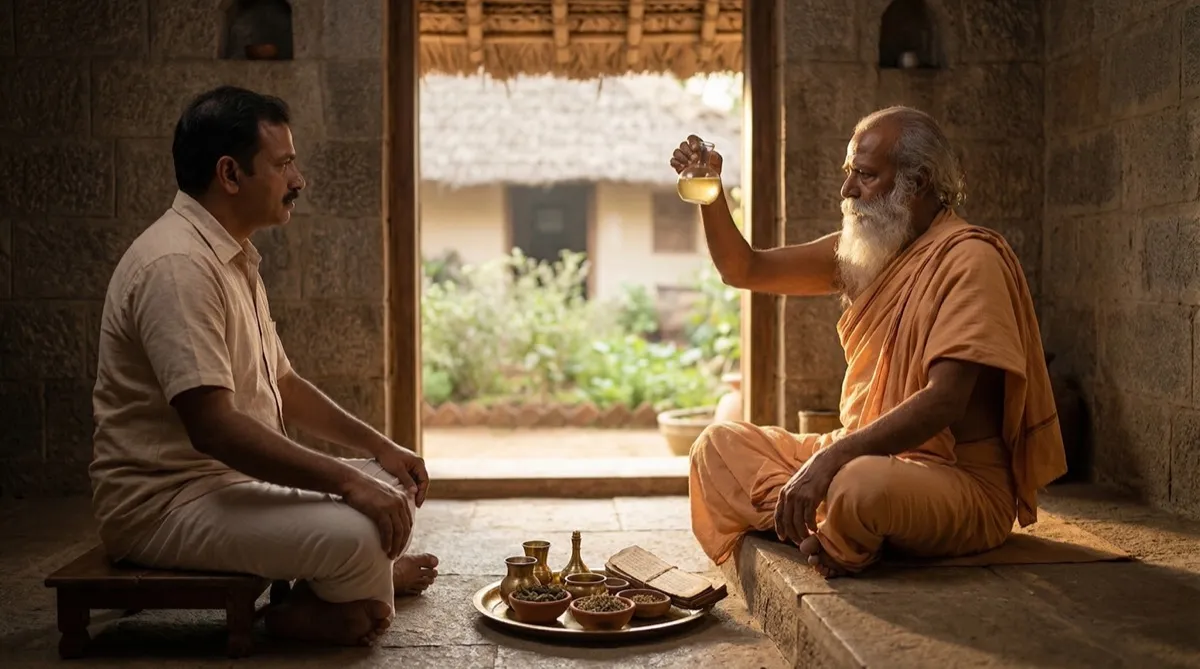
When most people think of diabetes as a modern epidemic, they are correct about the scale but wrong about the timeline. Ayurvedic physicians identified and systematically classified this condition over 2,500 years ago. Charaka Samhita (Nidanasthana, Chapter 4) dedicates an entire chapter to Prameha — describing its causes, pathogenesis, classification into 20 types, prognosis, and management principles with a precision that still surprises modern readers. Vagbhata’s Ashtanga Hridaya (Nidanasthana, Chapter 10) later synthesised and expanded this framework, adding critical refinements to the understanding of disease progression and prognosis that remain relevant to clinical practice.
The term Madhumeha — literally “honey-like urine” — appears in these texts as the most progressed and serious form of Prameha. Ancient physicians observed that ants were attracted to the urine of certain patients, that the urine had a sweet taste and honey-like quality. This was a clinical observation, not folklore. It predates Thomas Willis’ 1674 description of “wonderfully sweet” diabetic urine by over two millennia.
But here is what makes the Ayurvedic perspective genuinely different from a modern lab report: Ayurveda never saw diabetes as a single disease defined by a single number. It saw it as a spectrum of metabolic disturbances with different causes, different tissue patterns, and — critically — different approaches depending on the type. This is not a relic of pre-scientific thinking. It is a framework that modern personalised medicine is only now beginning to appreciate.
Did You Know?
Sushruta Samhita (Nidana 6) distinguishes between hereditary Prameha (Sahaja) and acquired Prameha (Apathyanimittaja) — a distinction remarkably parallel to the modern understanding of genetic predisposition versus lifestyle-induced metabolic disorder. This classification is over 2,500 years old.
Prameha: More Than Just a Blood Sugar Number
The word Prameha comes from the Sanskrit root “mih” meaning “to pass urine.” The prefix “pra” indicates excess. Prameha literally means “excessive urination” — and the classical texts describe it as a metabolic disorder where the body produces abnormal quantities and qualities of urine due to disturbed metabolism at the tissue level.
Charaka and Sushruta together classify 20 types of Prameha, grouped by the dominant dosha involved: 10 Kaphaja Prameha (Kapha-dominant, characterised by cloudy, thick, or mucoid urine), 6 Pittaja Prameha (Pitta-dominant, characterised by warm, coloured, or acidic urine), and 4 Vataja Prameha (Vata-dominant, characterised by astringent, thin, or rough-quality urine). Madhumeha — the honey-urine type — falls under Vataja Prameha and is considered the most advanced and difficult-to-manage form.
This classification is not arbitrary. It reflects a clinical reality that modern medicine is increasingly recognising: not all diabetes behaves the same way. The Kaphaja types, associated with heaviness, excess weight, and overnutrition (Santarpanajanya), represent a pattern recognisable as what we now call insulin resistance and metabolic syndrome. The Vataja types, associated with tissue depletion, weight loss, and weakness (Apatarpanajanya), parallel the picture of insulin deficiency and tissue wasting. The Pittaja types occupy a middle ground involving inflammatory and metabolic heat.
The classical texts (Charaka Samhita Nidanasthana 4, Sushruta Samhita Nidana 6, Ashtanga Hridaya Nidanasthana 10) describe the pathogenesis with remarkable specificity: sedentary habits (Asyasukham), excessive sleep (Svapnasukham), overindulgence in sweet, heavy, and oily foods (Madhura-Snigdha-Guru Ahara), and lack of physical activity create a cascade where Kapha accumulates, Meda dhatu (fat tissue) increases disproportionately, and the metabolic channels become obstructed. This is not a vague description. It is a step-by-step mechanism that maps surprisingly well onto our modern understanding of how insulin resistance develops.
Purvaroopa: The Early Warning Signs Ayurveda Identified Centuries Ago
One of the most clinically valuable aspects of the Ayurvedic Prameha framework is the concept of Purvaroopa — premonitory symptoms that appear before the disease fully manifests. Modern medicine recognises prediabetes as a warning stage, but the classical texts describe a far more granular set of early indicators that a skilled practitioner could identify before any urine or blood test would show abnormality.
Charaka Samhita (Nidanasthana 4.47) and Ashtanga Hridaya (Nidanasthana 10.7-8) list these Purvaroopa: excessive sweating (Sveda), foul body odour (Daurgandhya), a sense of heaviness and lassitude in the body (Anga Shaithilya), a coating or unpleasant taste in the mouth (Mukha Madhurya — literally a sweet taste in the mouth), numbness or burning in the hands and feet (Kara-Pada Daha), a sensation of stickiness on the body (Anga Upadeha), excessive thirst (Trishna), and a tendency for ants or insects to be attracted to the person’s sweat or urine. The matting or tangling of hair (Kesha Jatilya) and rapid growth of nails are also noted.
What makes this list remarkable is not just its antiquity but its clinical precision. Several of these Purvaroopa correspond directly to signs that modern endocrinology now associates with insulin resistance and early metabolic dysfunction: acanthosis nigricans (darkening and thickening of skin in folds), peripheral neuropathy (numbness and burning in extremities), increased susceptibility to fungal infections (related to the sweet/sticky quality of body secretions), and polydipsia (excessive thirst). Vagbhata, in the Ashtanga Hridaya (Nidanasthana 10), emphasises that these signs represent the period when the disease is still Sadhya (manageable) — intervention at this stage is far more effective than waiting for full-blown Prameha to manifest. This is the Ayurvedic equivalent of saying: catch metabolic dysfunction early, when the pattern is still reversible.
Samprapti: The Complete Chain of Disease Progression
Ayurveda does not simply list causes and symptoms. It maps the entire progression from initial cause to final manifestation through a framework called Samprapti — the pathogenesis chain. Understanding this chain for Prameha is critical because it reveals where the metabolic process breaks down and, more importantly, where intervention can interrupt it.
The Samprapti of Prameha follows a six-stage progression described across Charaka Samhita (Nidanasthana 4), Sushruta Samhita (Nidana 6), and Ashtanga Hridaya (Nidanasthana 10). Stage 1 — Sanchaya (Accumulation): Kapha begins accumulating due to Nidana (causative factors) — sedentary lifestyle, excess sweet and heavy foods, daytime sleep, lack of exercise. Meda dhatu (fat tissue) and Kleda (biological moisture) increase quietly. There are no obvious symptoms yet. Stage 2 — Prakopa (Aggravation): The accumulated Kapha becomes aggravated. Meda Dhatvagni (the metabolic fire governing fat tissue) weakens. The body begins producing excess, poor-quality Meda. Subtle signs like heaviness after meals and mild lethargy appear.
Stage 3 — Prasara (Spreading): Aggravated Kapha and excess Kleda begin moving beyond their normal sites, entering the general circulation and spreading through the Srotas (channels). This is the stage where Purvaroopa (premonitory symptoms) begin to appear — the sweating, the body odour, the numbness in extremities. The disease is now mobile but not yet localised. Stage 4 — Sthana Samshraya (Localisation): The vitiated doshas and excess Kleda settle in vulnerable tissues — primarily Meda (fat), Mamsa (muscle), and Basti (the urinary system). Mutravaha Srotas (urinary channels) become the primary site of disease expression. This is where the pattern becomes specific to Prameha rather than a general metabolic disturbance.
Stage 5 — Vyakti (Manifestation): The disease fully manifests with its characteristic symptoms — excessive urination (Prabhuta Mutrata), turbid urine (Avila Mutrata), and the specific urinary qualities that classify each of the 20 Prameha types. At this stage, the disease is clinically evident. Stage 6 — Bheda (Differentiation/Complications): If left unaddressed, Prameha progresses to complications — Prameha Pidaka (skin carbuncles), Prameha Janya Vyadhi (secondary diseases affecting eyes, kidneys, and nerves), and ultimately the most advanced form, Madhumeha. Ashtanga Hridaya (Nidanasthana 10.18-19) specifically notes that untreated Kaphaja Prameha tends to progress through the Pittaja stage and eventually reach the Vataja (most difficult) stage — a pattern remarkably parallel to the modern understanding of how untreated metabolic syndrome can progress to tissue-depleting diabetes.
The practical significance of this chain is profound. At stages 1 and 2, the process is entirely reversible through dietary and lifestyle correction alone. At stage 3, more active intervention is needed but prognosis remains good. By stages 5 and 6, the management becomes significantly more complex and the condition may be classified as Yapya (manageable but not fully reversible) or even Asadhya (extremely difficult to manage). This is why Charaka, Sushruta, and Vagbhata all emphasise early recognition — the Purvaroopa stage is the window of greatest therapeutic opportunity. You can read more about how Agni disruption initiates this cascade in our article on Agni and digestion, or explore the role of metabolic toxins in our article on understanding Ama.
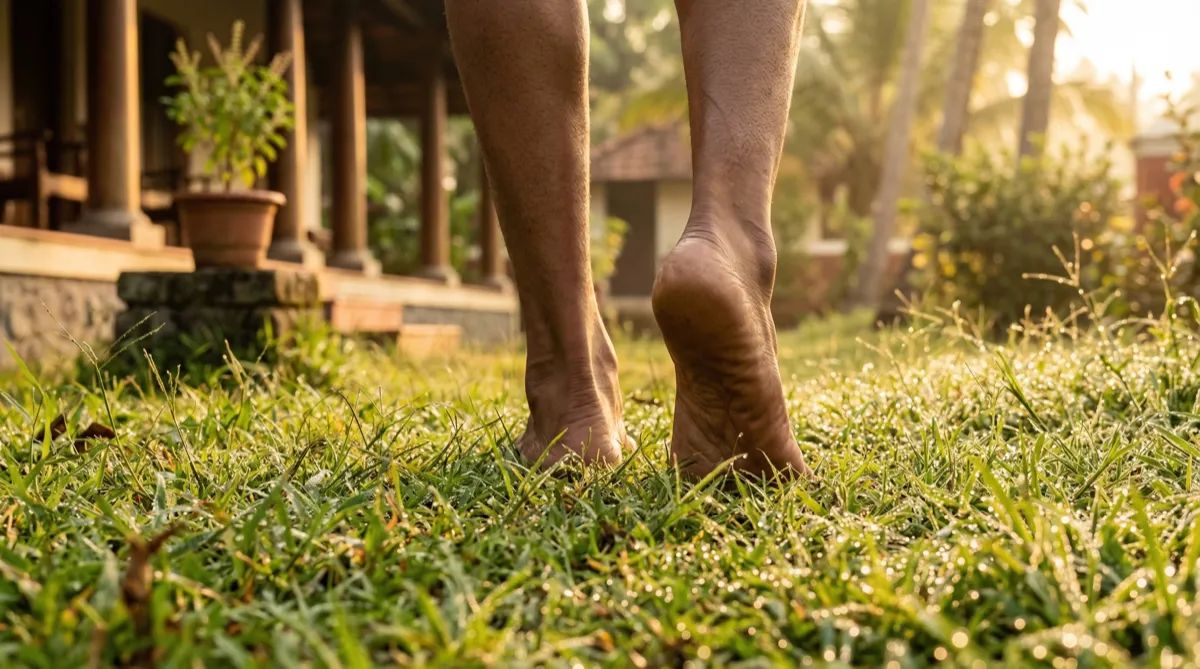
Here is something that connects Ayurvedic Prameha management to a principle most people overlook: the human body was designed to move. Not in the modern sense of “exercise for 30 minutes then sit for the rest of the day,” but in the deeper sense that every biological process in the body — from lymphatic drainage to insulin sensitivity to tissue metabolism — depends on consistent physical movement throughout the day. The classical texts listing Asyasukham (sedentary comfort) as a primary cause of Prameha were not making a moral judgment about laziness. They were making a physiological observation: when the body stops moving, its metabolic channels become sluggish, Meda accumulates because the body has no reason to convert fat into energy, and the entire metabolic fire dampens. Modern research has shown that even a few minutes of walking every hour improves glucose metabolism more effectively than a single 30-minute workout followed by prolonged sitting. The body is not a machine that needs periodic servicing. It is more like a river — it stays clean only when it keeps flowing.
The Metabolic Fire: Why Agni Is the Core of the Problem
If you understand one thing about the Ayurvedic view of Prameha, understand this: the root cause is not sugar. The root cause is impaired Agni — specifically, the tissue-level metabolic fires called Dhatvagni. When Ayurveda says Agni is disturbed in Prameha, it means the body has lost its ability to properly transform and metabolise what it receives. Sugar in the blood or urine is a downstream consequence, not the origin of the problem.
The specific Dhatvagni most relevant to Prameha is Meda Dhatvagni — the metabolic fire governing fat tissue transformation. When Meda Dhatvagni is weak, fat tissue is produced in excess but of poor quality. This excess Meda creates a cascade: it increases Kapha in the body, generates excess Kleda (a concept roughly translating to “biological moisture” or metabolic waste fluid), and obstructs the Srotas (channels) through which nutrients and waste products travel. The result is a body that is simultaneously over-nourished at the gross level and under-nourished at the tissue level.
This is why Ayurveda insists that simply reducing sugar intake — while useful — does not address the metabolic pattern. A person can eliminate sugar from their diet entirely and still have impaired Meda Dhatvagni, still accumulate excess Kleda, still have obstructed channels. The Ayurvedic approach focuses on restoring the metabolic fire that governs tissue transformation, not merely restricting one ingredient.
There is another critical distinction the classical texts make: the difference between Ojas and Ama in the context of Prameha. Ojas is the refined essence of proper tissue metabolism — vitality, immunity, resilience. Ama is the toxic residue of incomplete metabolism — heaviness, obstruction, stagnation. In Prameha, what should become Ojas instead becomes Ama or is lost through excessive urination. Charaka describes this as Ojomeha — the loss of vital essence through urine. This is not metaphorical. It describes a state where the body’s most refined metabolic products are being wasted rather than utilised. The parallel to modern glycosuria (glucose loss in urine) and the broader metabolic inefficiency of unmanaged diabetes is striking.
Did You Know?
Charaka Samhita (Chikitsa 6.15) identifies Prameha Pidaka — 10 types of diabetic skin eruptions and carbuncles — as a complication of advanced Prameha, noting that wounds in Prameha patients are characteristically slow to heal and prone to secondary infection. Modern endocrinology did not formally document impaired wound healing in diabetes until the 20th century. Yet Charaka had already described the specific tissue-level mechanism: when Ojas (vital essence) is lost through excessive urination, the body’s regenerative capacity diminishes. This is precisely what happens when chronic hyperglycemia impairs immune cell function and collagen synthesis — the same process, described through different language, separated by over 2,000 years.
Sthula and Krisha: Why Not All Diabetes Is the Same
One of the most clinically significant distinctions in the Ayurvedic Prameha framework is between two patient types: Sthula Pramehi (the obese or heavy-set person with Prameha) and Krisha Pramehi (the lean or emaciated person with Prameha). This distinction is not cosmetic. It fundamentally determines the direction of care.
Sthula Pramehi presents with excess weight, Kapha dominance, sluggish Agni, and a pattern of overnutrition. The channels are clogged with excess Meda and Kapha. The body is heavy, slow, resistant to change. This pattern is recognisable as what modern medicine calls Type 2 diabetes with insulin resistance and metabolic syndrome. The classical Ayurvedic approach for this type is Apatarpana (depletion therapy) and Langhana (lightening) — reducing the excess through specific dietary restriction, increased physical activity, and formulations that clear the channels and rekindle Agni.
Krisha Pramehi is the opposite: a lean person with Prameha, marked by Vata dominance, tissue depletion, and weakness. Here the problem is not excess but deficiency — the tissues are not receiving adequate nourishment, Ojas is severely depleted, and the body is wasting. This pattern resembles insulin-deficient diabetes or advanced metabolic depletion. The approach here is the exact opposite: Brimhana (nourishing therapy) and Santarpana (building up) — providing nourishment, strengthening tissues, and restoring what has been lost.
This is perhaps the most important insight from the Ayurvedic framework: applying Langhana (lightening) to a Krisha Pramehi would worsen their condition, just as applying Brimhana (nourishing) to a Sthula Pramehi would worsen theirs. The same disease name requires opposite approaches depending on the patient’s constitution and presentation. Modern diabetes management is slowly recognising this principle — that personalised approaches produce better outcomes than one-size-fits-all protocols — but Ayurveda stated it explicitly over two thousand years ago.
Did You Know?
Ashtanga Hridaya (Nidanasthana 10.18-19) describes that all 20 types of Prameha, if left unmanaged, eventually converge into a single end-stage condition: Madhumeha. This means Vagbhata observed what modern endocrinology confirmed only in the 20th century — that diverse metabolic pathways of glucose dysregulation ultimately lead to the same destructive endpoint. Essentially, the concept of “disease progression from metabolic syndrome to end-stage diabetes” was mapped as a clinical principle in India over 1,400 years ago.
What a Metabolic Wellness Consultation Involves
At Santana Laxmi Ayurvedic Clinic, a metabolic wellness consultation begins with a thorough assessment — not of a single lab value, but of the person as a whole. Dr Sri Ramulu evaluates the state of Agni (digestive and metabolic capacity), the presence and location of Ama (toxins), the individual’s Prakriti (constitutional type), current dietary patterns, activity levels, sleep quality, emotional state, and family history. This assessment determines which type of Prameha pattern is present and, equally importantly, which approach is appropriate.
The consultation identifies whether the pattern is Santarpanajanya (overnutrition-related) or Apatarpanajanya (depletion-related), which doshas are primarily involved, and where in the metabolic chain the disturbance is most significant. This is not generic advice. A Kapha-dominant person with sluggish Meda Dhatvagni receives fundamentally different dietary guidance and formulation support than a Vata-dominant person with tissue depletion.
Dietary guidance goes beyond “avoid sugar.” It includes constitution-specific meal planning, guidance on meal timing and eating practices, specific food recommendations based on classical Pathya (beneficial) and Apathya (harmful) principles for Prameha, and the role of Vyayama (exercise) appropriate to the individual’s constitution and current strength. Formulations, when indicated, are selected to support Dhatvagni and tissue metabolism — not to lower a number, but to address the underlying metabolic pattern. Learn more about our metabolic balance consultations.
It is important to be honest about timelines. Metabolic patterns develop over years and do not reverse in weeks. Improvement is gradual, measurable, and requires consistent follow-through on dietary and lifestyle changes. Lab monitoring continues throughout — Ayurvedic guidance works alongside modern diagnostic tools, not instead of them. Because Prameha frequently affects digestion and elimination, many people also seek guidance through our digestive wellness consultations. For those concerned about how metabolic imbalance may affect kidney and urinary function, our article on kidney and urinary health provides further context.
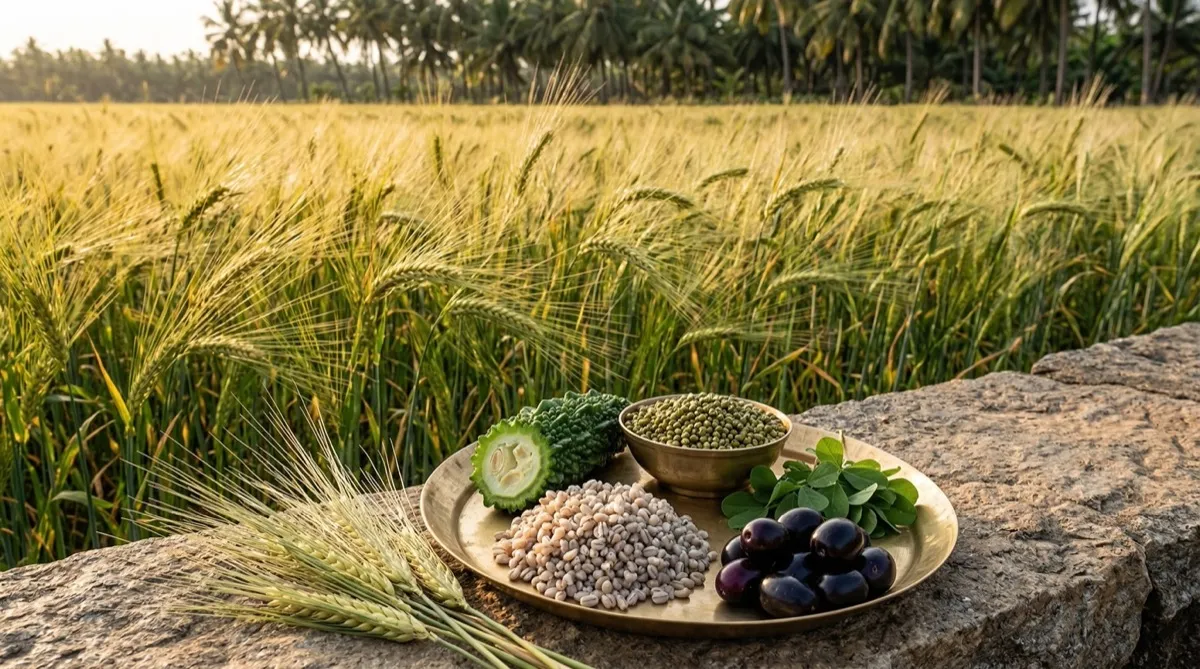
There is a subtlety in the Ayurvedic approach to metabolic health that goes far beyond ingredient lists: the role of taste as medicine. Ayurveda identifies six tastes — sweet, sour, salty, pungent, bitter, and astringent — and each one triggers a distinct cascade of metabolic responses. The modern diet is overwhelmingly dominated by sweet and salty, with bitter and astringent almost entirely absent. But bitter taste is not just a flavour preference. When the tongue encounters bitter, it sends a signal through the vagus nerve that stimulates bile production, awakens liver function, and improves the body’s ability to metabolise fat and sugar. This is why the classical texts so strongly recommend bitter foods for Prameha — they are not just avoiding sweetness, they are actively reprogramming the metabolic response through the intelligence of the taste buds themselves. The tongue is not just for enjoying food. It is the body’s first metabolic gatekeeper.
The Diet Question: Beyond “Avoid Sugar”
Perhaps no topic generates more confusion in metabolic wellness than diet. The modern approach tends to focus almost exclusively on what you eat — reduce carbohydrates, count calories, eliminate sugar. The Ayurvedic approach does not dismiss these concerns, but it adds a dimension that is almost entirely absent from contemporary dietary advice: how you eat matters as much as what you eat.
Charaka emphasises that Prameha is aggravated by Adhyashana (eating before the previous meal is digested), Vishamashana (irregular eating patterns), and Guru Ahara (heavy food that exceeds digestive capacity). A person who eats the “right” foods but at irregular times, in front of screens, while emotionally agitated, and without regard for their individual digestive capacity will not see the metabolic improvements they expect. The Ayurvedic dietary framework for Prameha addresses the act of eating itself — not just the ingredient list.
The classical texts specifically praise Yava (barley) as the grain of choice for Prameha management. Charaka lists it as one of the most important Pathya (beneficial) foods for all types of Prameha. Modern nutritional science has confirmed that barley has a significantly lower glycemic index than wheat or rice and is rich in beta-glucan fibre, which slows glucose absorption. The Tikta rasa (bitter taste) is considered therapeutically significant in Prameha — bitter vegetables, certain kitchen spices, and leafy greens all feature in the classical dietary recommendations. The bitter taste is understood to be Kapha-reducing, Meda-reducing, and Agni-stimulating — precisely the actions needed in the most common forms of Prameha.
The concept of Pathya and Apathya in Prameha extends beyond food to include lifestyle. Charaka lists Divasvapna (daytime sleep), Asyasukham (sedentary comfort), and Avyayama (lack of exercise) as Apathya — harmful practices that perpetuate the metabolic disturbance. The Pathya recommendations include Vyayama (exercise appropriate to constitution and strength), use of light and dry foods, and regular physical activity. This is not a fad diet. It is a comprehensive metabolic lifestyle that has been refined over centuries of clinical observation.
What Current Evidence Says
Several traditional formulations and botanicals referenced in classical Prameha management have attracted research attention. A 2023 systematic review in the Journal of Ethnopharmacology examined clinical trials on Ayurvedic interventions for blood glucose management and found preliminary evidence of benefit for several classical preparations, while noting the need for larger, more rigorous trials. The Central Council for Research in Ayurvedic Sciences (CCRAS) has conducted multi-centre studies on traditional formulations used in Prameha management.
Several botanicals traditionally referenced in Prameha dietary and management texts have been studied in both animal and human trials. The evidence is promising but variable in quality. The WHO Traditional Medicine Strategy (2014-2023) acknowledges traditional medicine systems as complementary approaches while emphasising the importance of safety monitoring and continued conventional care. The NCCIH (National Center for Complementary and Integrative Health) notes that some botanical approaches show potential but should not replace standard diabetes management.
Perhaps the strongest alignment between Ayurvedic principles and modern evidence comes from lifestyle medicine. The emphasis on dietary modification, regular physical activity, stress management, and personalised approaches mirrors the pillars of contemporary lifestyle intervention programmes for metabolic health. The Diabetes Prevention Program (DPP) trial demonstrated that lifestyle intervention was more effective than medication alone in reducing diabetes risk — a finding that would not have surprised Charaka, who placed Ahara (diet) and Vihara (lifestyle) before Aushadha (medicine) in the management of Prameha.
Critical Safety Information: This article is for educational purposes only and does not constitute medical advice. If you are living with diabetes or prediabetes, it is essential that you continue all medications prescribed by your doctor. Never stop, reduce, or modify diabetes medication without direct medical supervision — doing so can cause dangerous blood sugar fluctuations, diabetic ketoacidosis (DKA), or other life-threatening complications. Continue regular blood sugar monitoring, HbA1c testing, and all scheduled medical check-ups. Ayurvedic dietary and lifestyle guidance is intended as a complementary approach that works alongside your existing medical care, not as a replacement for it. Seek immediate medical attention if you experience symptoms such as extreme thirst, frequent urination with fruity-smelling breath, unexplained weight loss, confusion, or blood sugar readings outside your target range. Always inform both your medical doctor and your Ayurvedic practitioner about all treatments you are receiving.